Cities
Who gets to live in the cities we love to visit?
Venice's visitor controls are highly visible. The harder test is whether the city remains a workable home.
9 min readElsewhere Journal explores cities, architecture and cultural landscapes as inhabited places. We are interested in how destinations work for residents as well as visitors, how buildings change, and what the ordinary parts of a place reveal about its future.
Venice's visitor controls are highly visible. The harder test is whether the city remains a workable home.
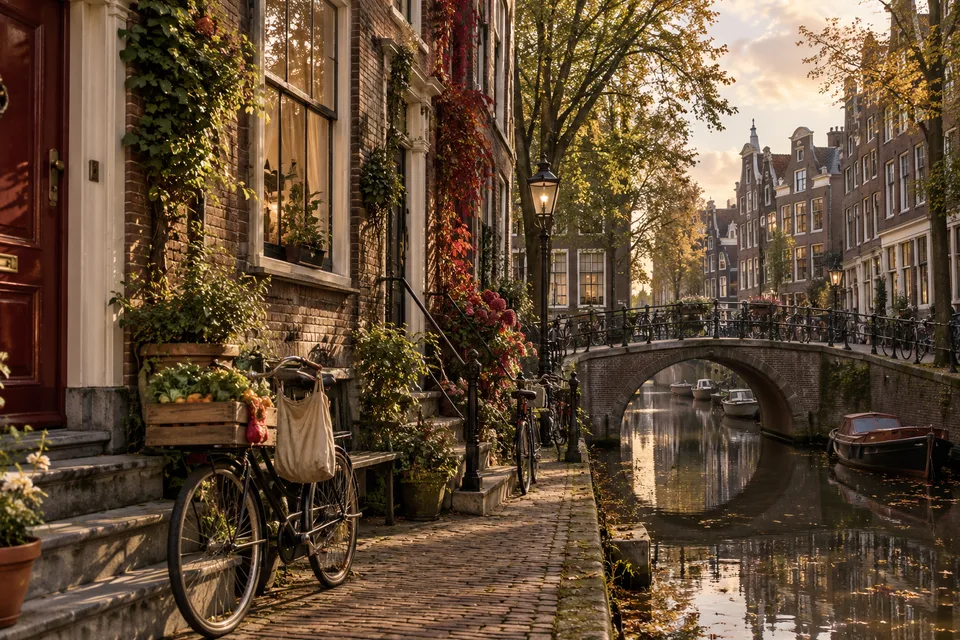
9 min readAmsterdam's visitor forecasts and neighborhood research tell different, necessary stories. The difficult part is turning a desire for better tourism into a result residents can recognize on their own street.
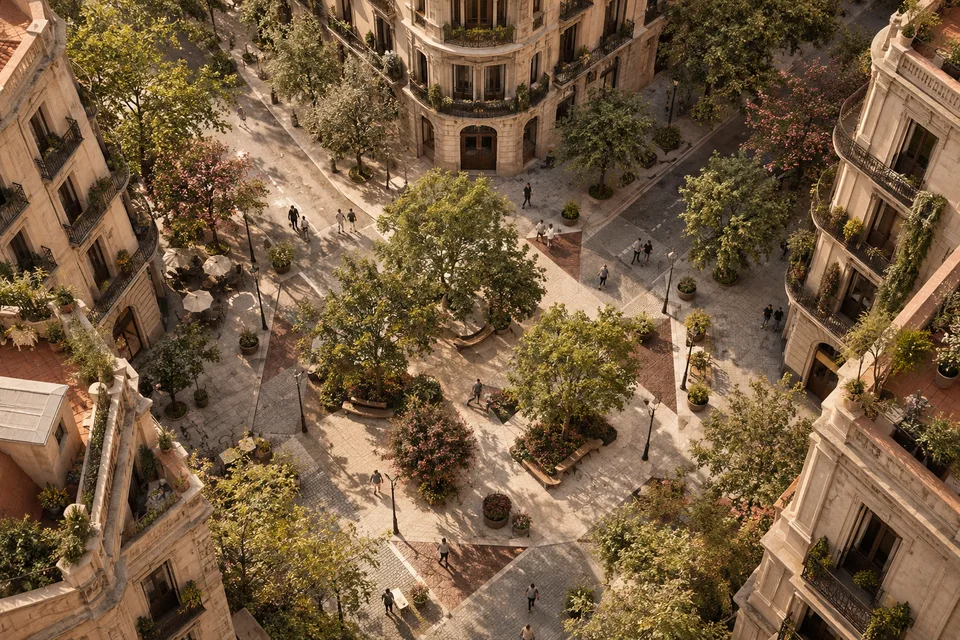
9 min readBarcelona's celebrated street transformations remain a continuing urban project after the paving is finished. Their harder questions concern movement, maintenance and who can keep using the neighborhood as its desirability changes.
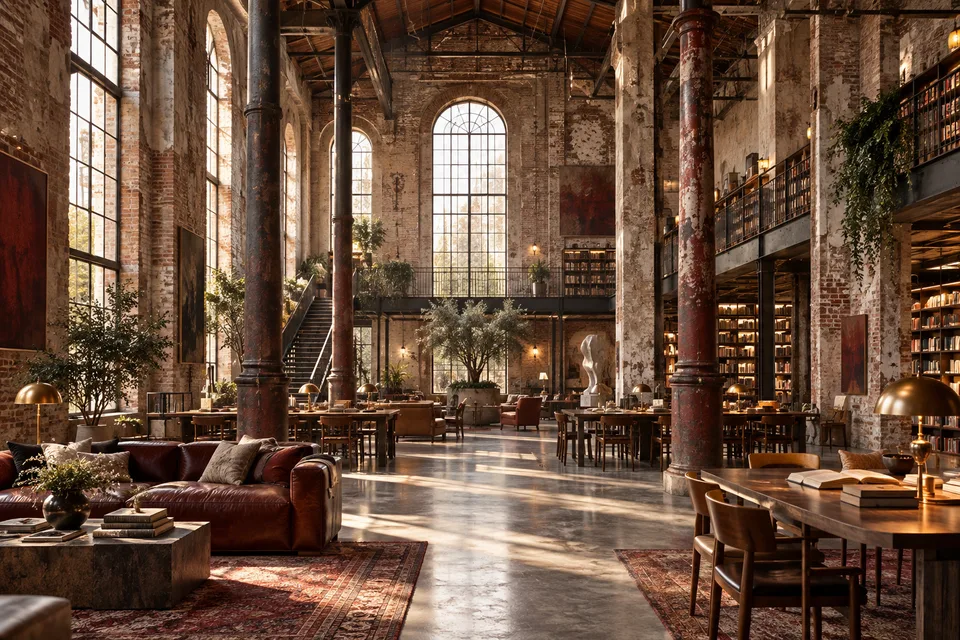
9 min readKeeping a familiar frontage can preserve an image while discarding much of a building's material and social value. A more useful brief begins with what the existing place can still do.
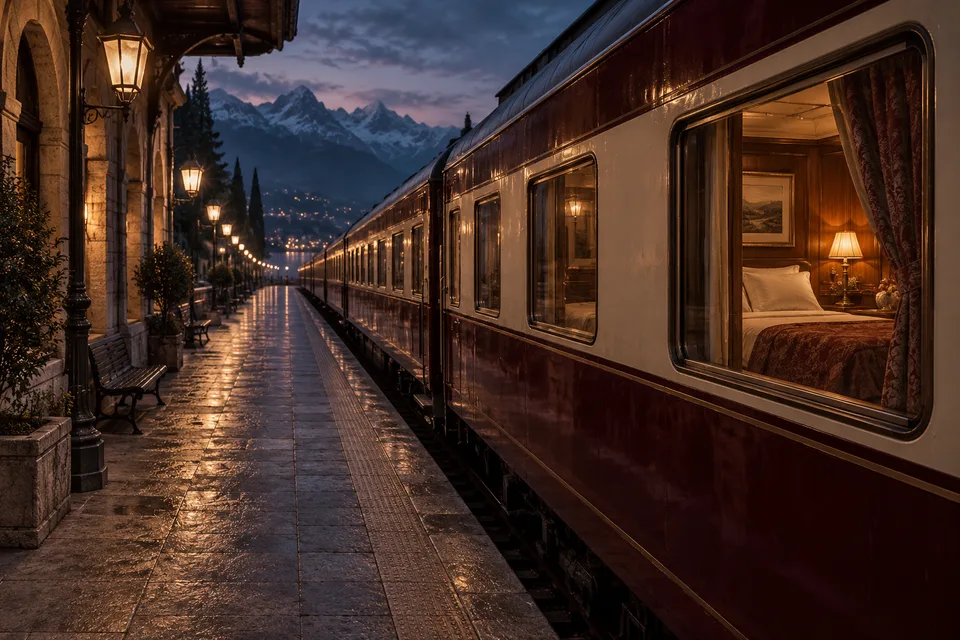
9 min readThe sleeper offers something genuinely unusual: a journey that occupies the hours usually given to a bedroom. Its revival depends on making that promise work within a railway, a booking system and an ordinary travel day.
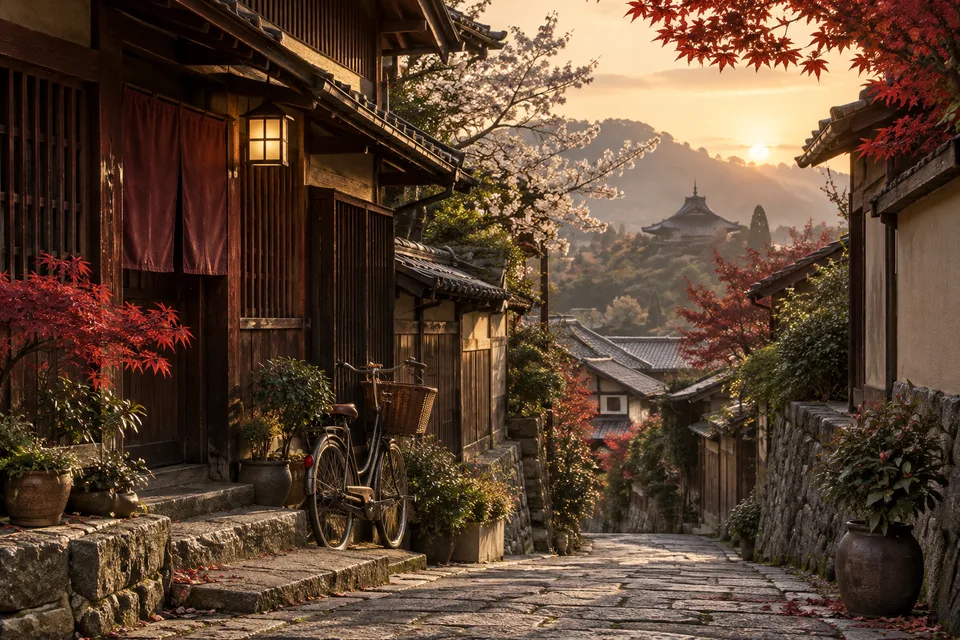
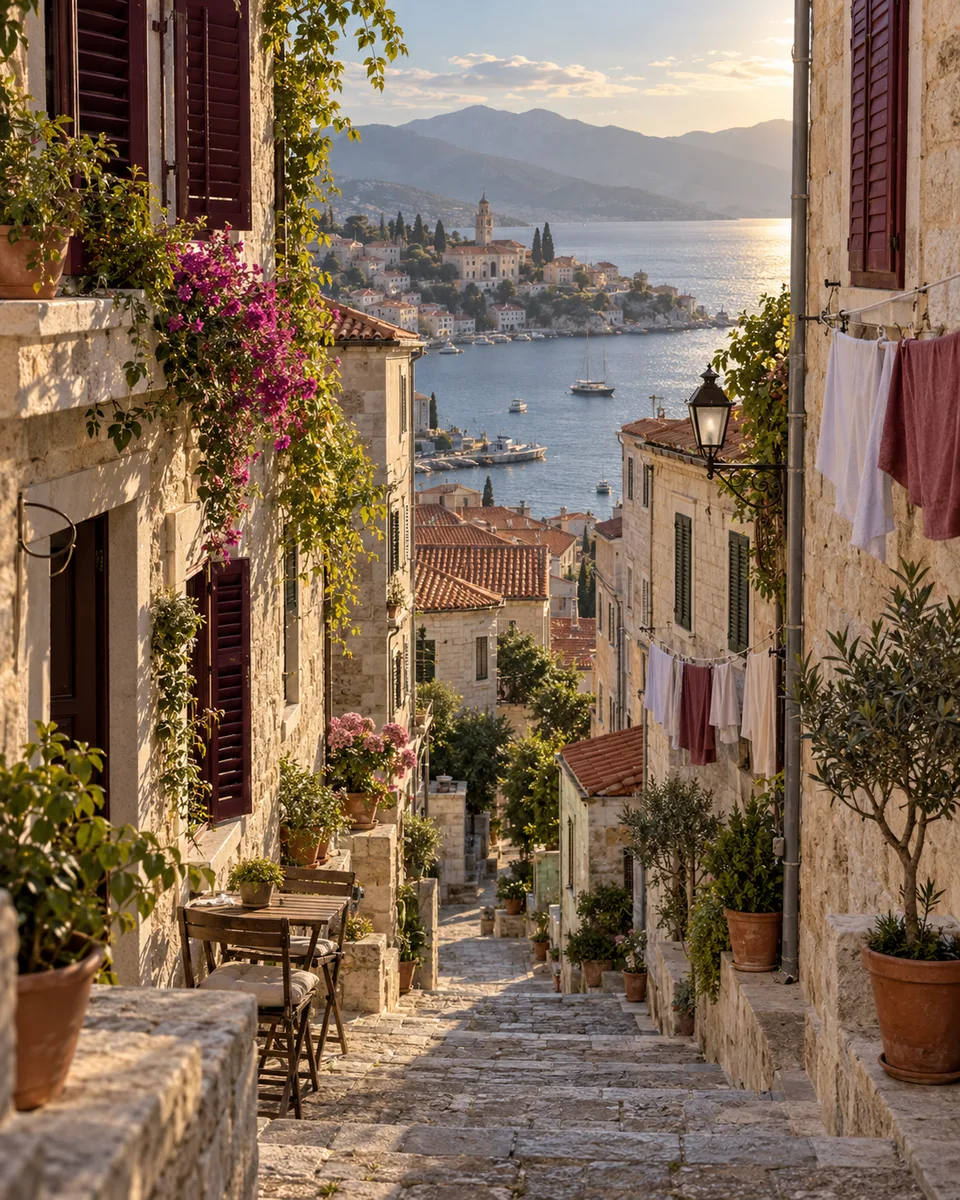
9 min readKyoto's visitor-management tools reach beyond the famous temple gate. Their real test is whether a resident can catch a bus, use a pavement and pass through a neighborhood without becoming part of someone else's spectacle.
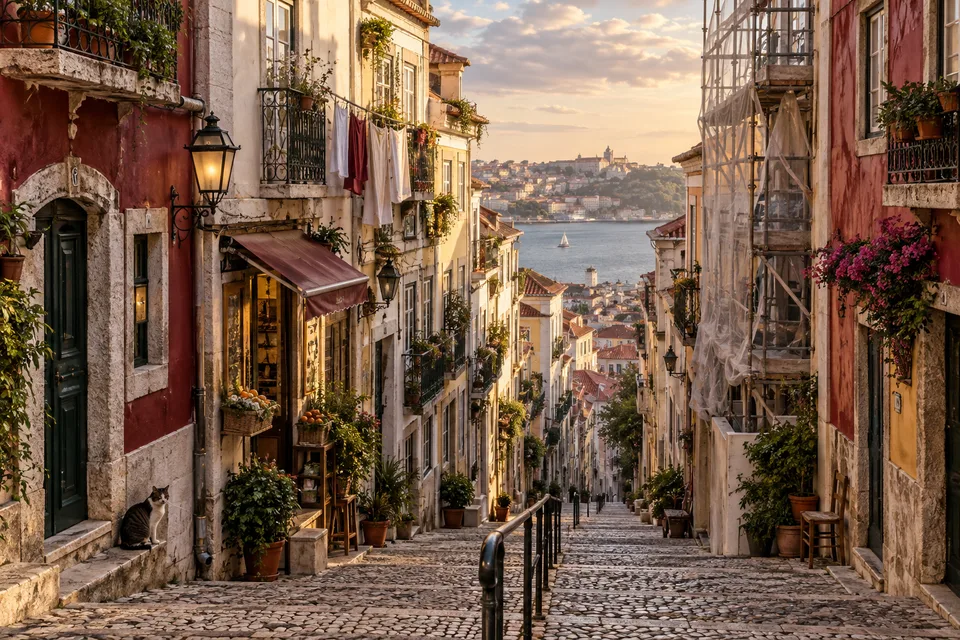
9 min readShort-term accommodation is a real part of Lisbon's housing argument. Understanding its contribution requires keeping neighborhoods, registries, rents and purchase prices distinct—and following what happens to a home when a policy changes.
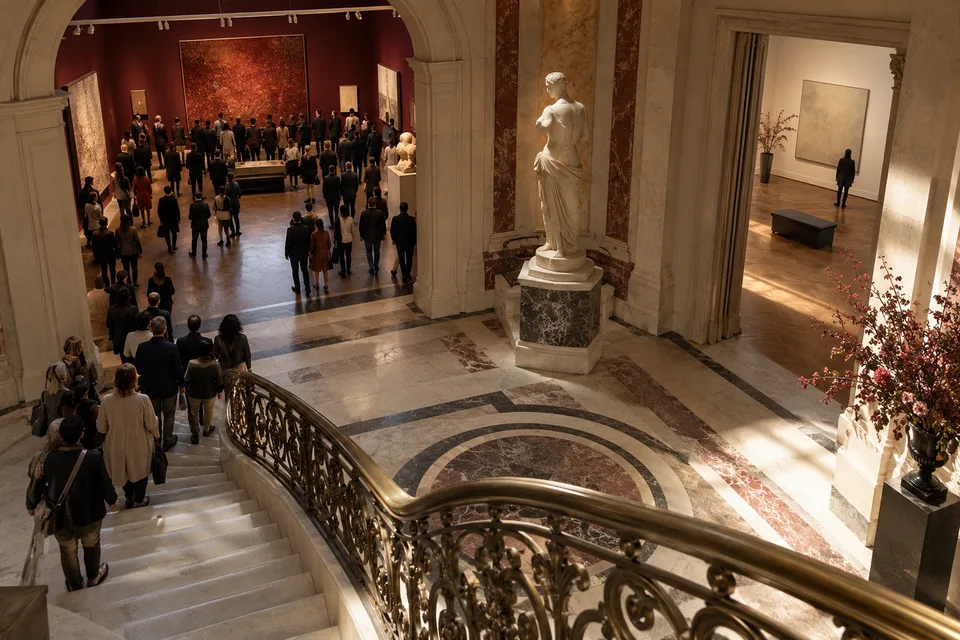
9 min readA reservation can distribute arrivals without distributing attention. Inside a museum, visitors still converge on particular works, stay for different lengths of time and need space for more than forward movement.
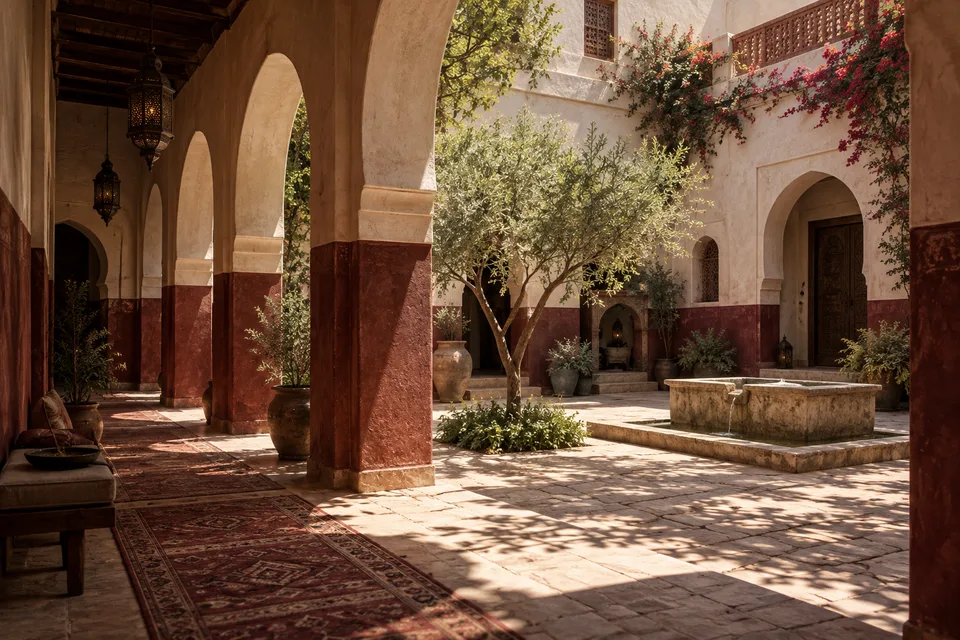
9 min readShade, air and stored heat give a courtyard its climatic work. The lesson of traditional buildings lies in the relationships they organize—relationships a contemporary project has to adapt to its own weather, occupants and surroundings.
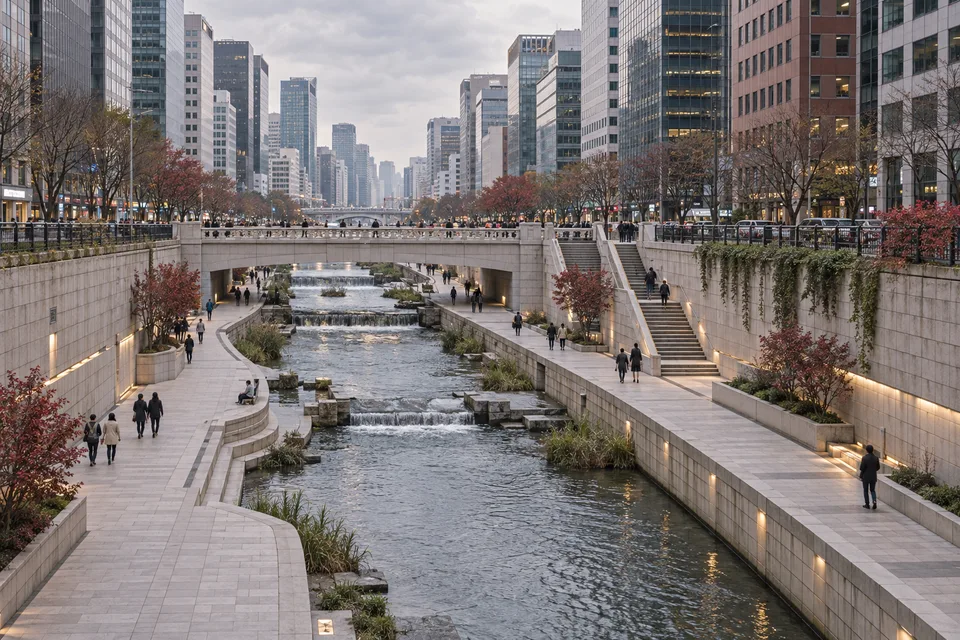
9 min readCheonggyecheon's transformation is real, but the water, public space and surrounding economy are still managed systems. The more interesting story starts after the before-and-after photograph.
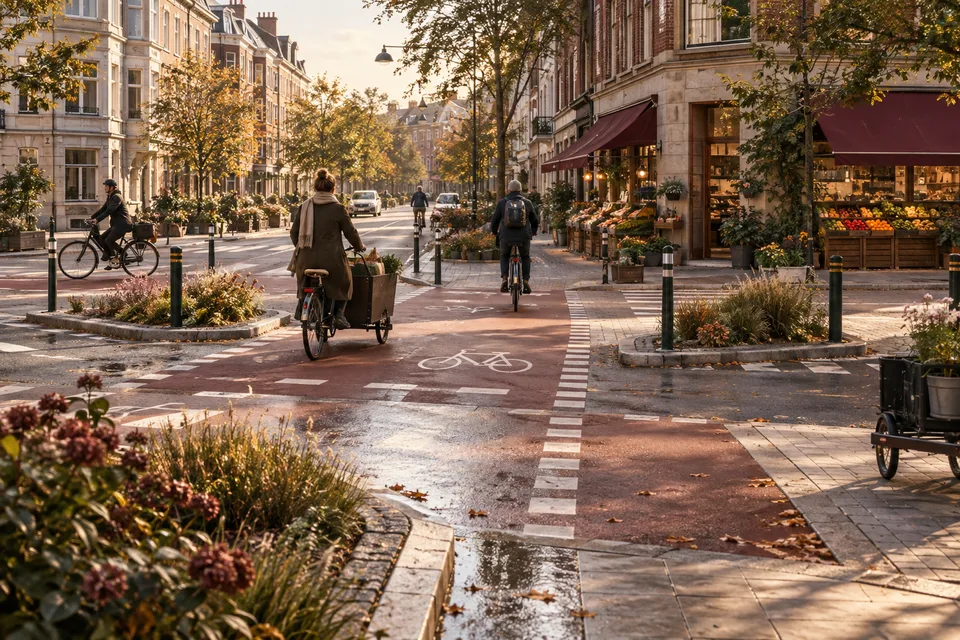
9 min readA city's cycling network earns its value between the photographs: at junctions, outside shops, through winter maintenance and across municipal boundaries. Copenhagen's transferable lesson is the attention given to a trip someone needs to repeat.
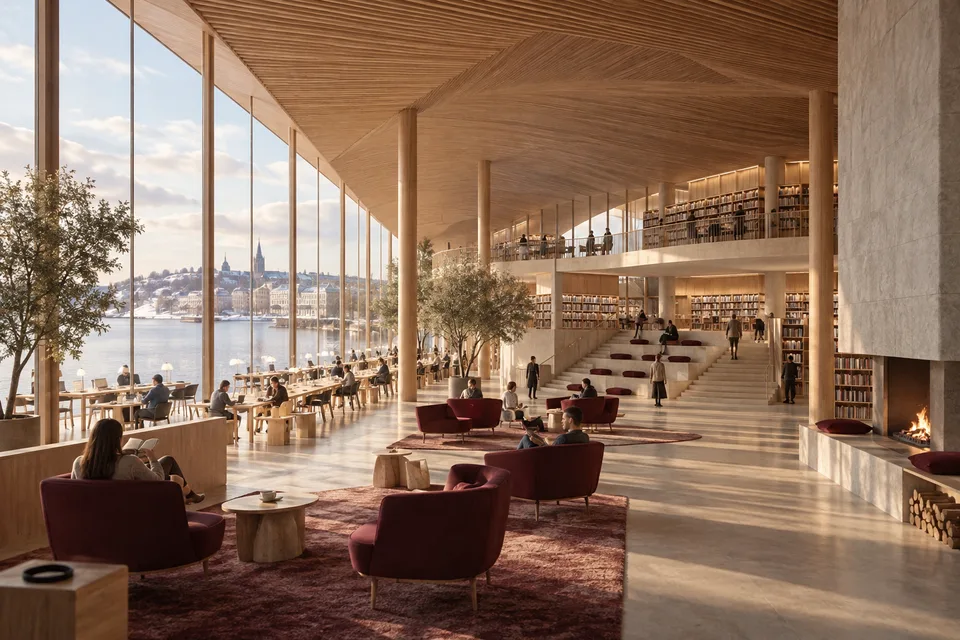
9 min readHelsinki's Oodi is celebrated for things people can do: record, sew, read and meet. Its quieter achievement is making public room for people who arrive without a task to complete.
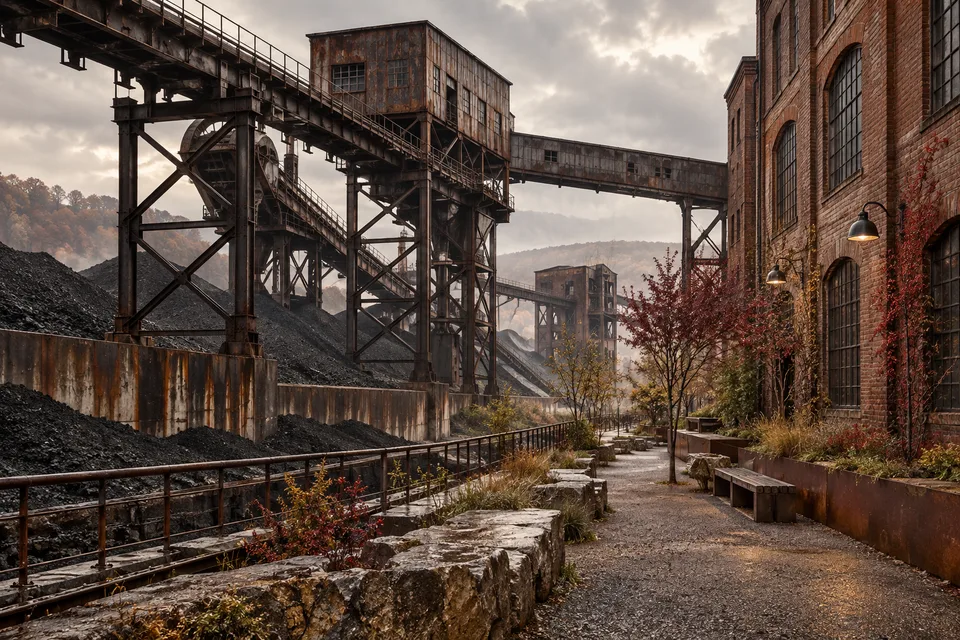
9 min readAt Zollverein, a swimming pool, a coal-washing plant and an exhibition about forced labor belong to the same site. Industrial heritage becomes more interesting when those stories are kept together.
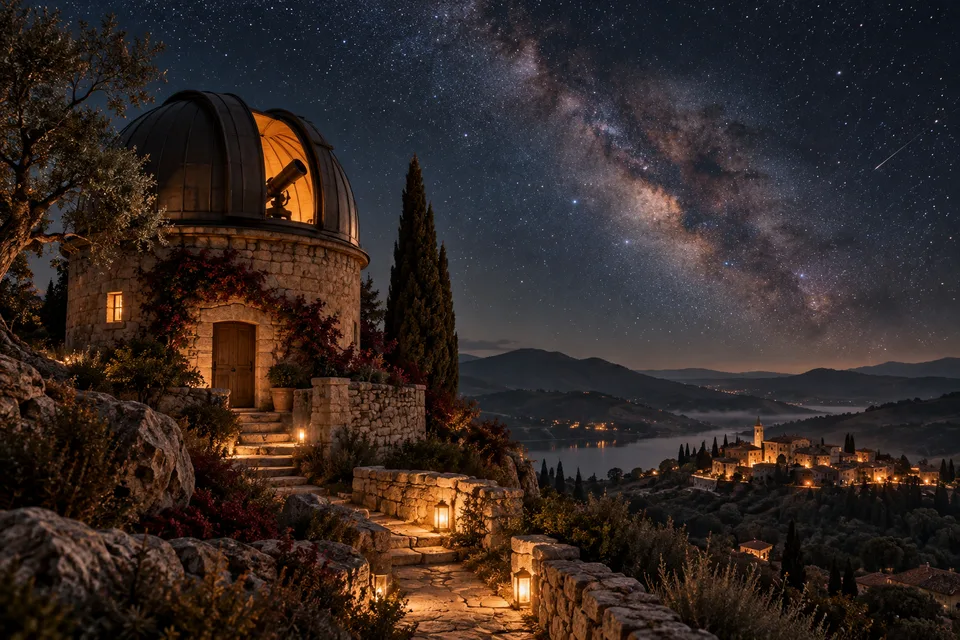
9 min readA place promoted for its stars is also a place where people live, animals move and visitors need a way home. Protecting darkness means managing those relationships before the night becomes another product to consume.
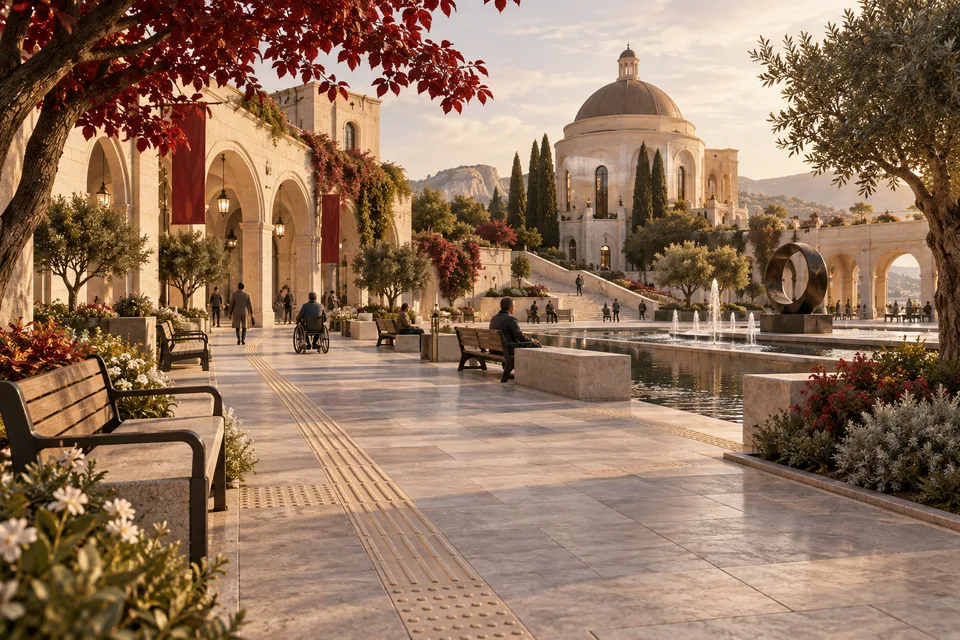
9 min readA usable day out depends on reliable information, transport, facilities and a way to recover when something changes. Accessibility improves when a city connects those parts and lets people judge the details against their own requirements.
9 min read